
Your Vision Built The Top Tier Way.
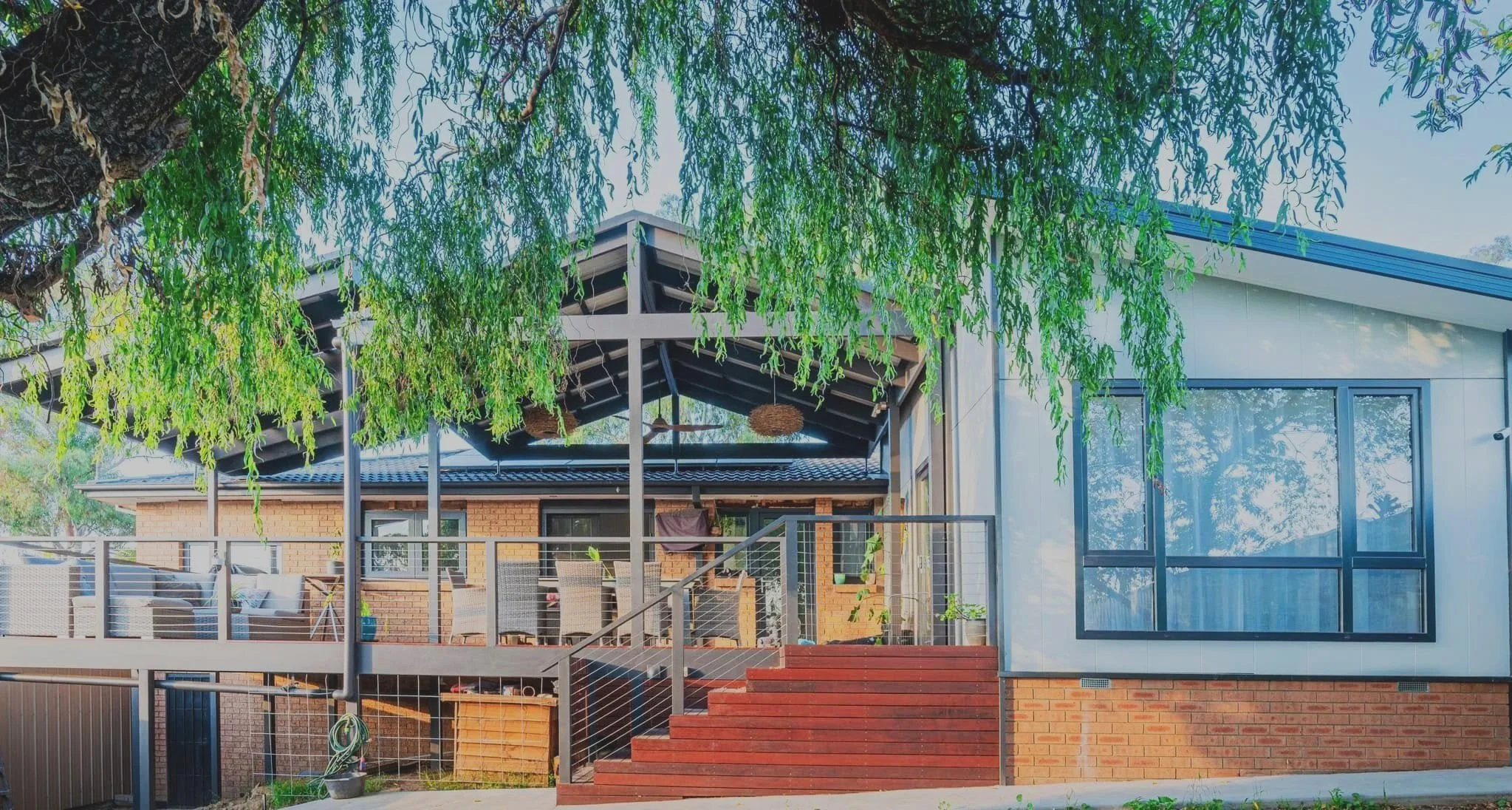
HOME EXTENTIONS
Running out of space? A well-designed extension is the perfect way to add room without leaving the home you love. Whether it’s an extra bedroom, a larger living area, or a second storey, we’ll seamlessly blend new and existing spaces for a natural flow and lasting value.
Do I need council or building approval for a home extension in the ACT?
In most cases, yes. Under the Planning and Development Act 2007 (ACT), some home extensions require Development Approval (DA), while smaller projects may be exempt. You can confirm if your extension is exempt or needs approval by checking the ACT Government’s planning website.
Even if a DA isn’t needed, most extensions still require a Building Approval (BA) under the Building Act 2004 (ACT). This ensures the work complies with the National Construction Code (NCC) and ACT building standards.
A licensed building certifier must review your plans and issue the approval before any work starts. The certifier will also inspect the work and issue a Certificate of Occupancy or Completion at the end. Doing building work without approval can result in fines, enforcement action, and complications when selling your property.
What design and construction rules apply to home extensions in the ACT?
All extensions in the ACT must comply with the Building Act 2004 and the Building (General) Regulation 2008. This covers safety, structural integrity, fire protection, energy efficiency, and plumbing/drainage standards. The design must also meet the Territory Plan zoning rules, including building height limits, boundary setbacks, plot ratio, and overshadowing controls.
If your extension changes the street appearance or adds a second storey, it may also need to align with local neighbourhood character guidelines under the Territory Plan. It’s recommended to work with a builder or designer who understands ACT planning rules to ensure compliance from the start.
Extensions must meet the current National Construction Code, even if the existing house was built under older standards. That can mean upgrading insulation, energy efficiency, or structural components in connecting walls or roofs.
What are the costs, timelines, and legal responsibilities when extending your home in the ACT?
Costs depend on size, materials, and site conditions, but ACT homeowners can expect higher expenses when second-storey additions or major structural changes are involved. While prices vary by builder, most extensions range from several hundred to a few thousand dollars per square metre.
The Construction Occupations (Licensing) Act 2004 (ACT) requires that all building work be carried out by licensed builders, electricians, and plumbers. Homeowners must ensure their builder holds a current ACT Builder’s Licence and that all approvals are in place before construction begins.
Project timelines vary but typically include several weeks for planning and approvals and a few months for construction, depending on complexity. Skipping required approvals or using unlicensed contractors can lead to serious legal and financial issues, including rectification notices or invalid insurance claims.